Sensitive gums are a common issue, often triggered by harsh brushing, improper tools, or periodontal problems. The right soft bristle toothbrush is the first line of defense: it cleans effectively without irritation, protects enamel, and keeps gums healthy. This guide breaks down how to select the perfect soft bristle toothbrush for sensitive gums, with key features to look for and mistakes to avoid.
1. Why Soft Bristles Are Non-Negotiable for Sensitive Gums
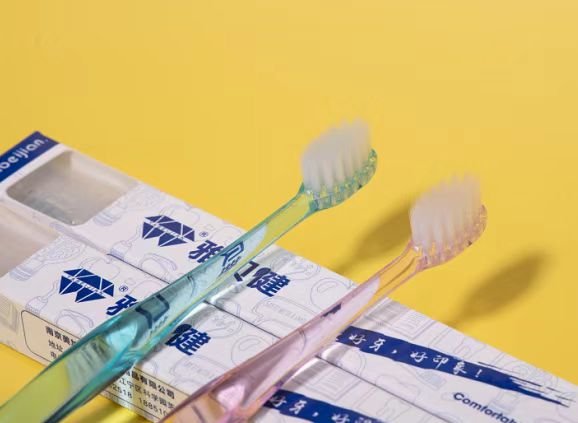
Medium or hard bristles may feel “thorough,” but they damage delicate gum tissue, erode tooth enamel, and worsen sensitivity, bleeding, and gum recession. Soft (or extra-soft) rounded nylon bristles are the only safe choice:
- They glide gently along the gumline, removing plaque without scratching or inflaming tissue
- They clean interdental spaces effectively, even with gentle pressure
- They reduce the risk of gum recession and tooth sensitivity over time
2. Key Features to Look for in a Soft Bristle Toothbrush
✅ Bristle Quality & Design
- Rounded, polished bristle tips: Avoid sharp, unpolished bristles that irritate gums
- Dense, multi-layered bristle arrangement: Ensures thorough cleaning without extra pressure
- Extra-soft bristle option: For severe sensitivity or post-periodontal treatment care
✅ Head Size & Shape
- Compact, small head: Fits easily in the mouth, reaching back molars and tight spaces
- Tapered head design: Ideal for cleaning along the gumline and around sensitive areas
✅ Handle Design
- Ergonomic, non-slip handle: Prevents over-brushing and ensures a comfortable grip
- Lightweight handle: Reduces hand fatigue, encouraging proper, gentle brushing technique
✅ Material Safety
- 100% BPA-free, food-grade materials: Non-toxic for daily use, safe for sensitive mouths
- No harsh dyes or additives: Avoids potential irritation for sensitive gum tissue
3. Common Mistakes to Avoid When Choosing a Toothbrush
- Choosing hard bristles for “deeper cleaning”: Causes permanent gum damage and sensitivity
- Ignoring bristle condition: Replace your toothbrush every 2-3 months (or when bristles fray) — worn bristles lose effectiveness and irritate gums
- Using electric toothbrushes with high pressure: Opt for a soft-mode electric brush with a pressure sensor if you prefer electric
- Skipping proper brushing technique: Even the best soft bristle brush won’t help with aggressive scrubbing
4. Final Tips for Sensitive Gum Care
Pair your soft bristle toothbrush with:
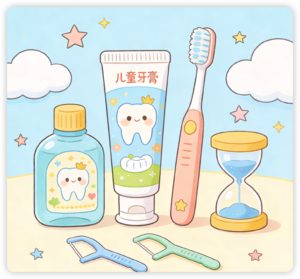
- Alcohol-free, gentle mouthwash to reduce inflammation
- Soft floss picks for pain-free interdental cleaning
- A 2-minute timer to ensure thorough, gentle brushing twice daily
At [Arborcare], we design a full range of soft bristle toothbrushes for sensitive gums, with BPA-free materials, ergonomic handles, and rounded bristles for gentle, effective daily care. Explore our collection to find your perfect match.