Published: March 26, 2026 | Category: Oral Care Tips & Guides
Good oral hygiene is more than just a bright smile—it’s a key part of overall health, preventing cavities, gum disease, bad breath, and other long-term dental issues. Many people overlook simple daily oral care steps, leading to avoidable dental problems over time. Whether you’re building a daily routine for yourself, your family, or looking for professional care tips, this complete guide covers all the essential oral care basics you need to know for long-lasting dental health.
1. The Foundation: Choose the Right Toothbrush
A proper toothbrush is the first step to effective oral care, and selecting the right one matters more than you think. Using the wrong toothbrush can damage gums, fail to remove plaque, or cause tooth sensitivity.
-
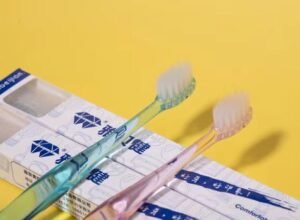
Bristle Type: Always opt for soft or extra-soft bristles (nylon bristles are recommended). Medium or hard bristles can erode tooth enamel and irritate sensitive gums, even with gentle brushing.
-
Toothbrush Size: Adults should use a standard compact head; kids need small, age-appropriate heads (3-6 years and 6-12 years sizes) to fit their small mouths.
-
Specialized Toothbrushes: For orthodontic patients (braces/aligners wearers), choose V-shaped/U-shaped orthodontic toothbrushes; implant or periodontal patients need tapered head implant toothbrushes; travelers can use foldable or retractable travel toothbrushes for on-the-go care.
-
Replacement Rule: Replace your toothbrush every 2-3 months, or immediately if bristles are frayed—worn bristles lose cleaning effectiveness.
2. Master the Correct Brushing Technique
Brushing twice a day (morning and night) is non-negotiable, but how you brush is just as important as how often you brush. Follow these steps for thorough, gentle cleaning:
-
Hold the toothbrush at a 45-degree angle against your gums, the perfect angle to clean along the gumline without damage.
-
Use small, circular back-and-forth motions—avoid aggressive scrubbing, which harms enamel and gums.
-
Brush all surfaces: outer teeth, inner teeth, and chewing surfaces, spending at least 2 minutes total (30 seconds per quadrant of the mouth).
-
Don’t forget to gently brush your tongue to remove bacteria and prevent bad breath.
Skip brushing immediately after eating acidic foods (soda, citrus, vinegar)—wait 30-60 minutes to avoid eroding softened tooth enamel.
3. Interdental Care: Clean the Spaces Your Toothbrush Misses
Toothbrushes can’t reach the tight spaces between teeth and under the gumline—this is where plaque and food debris build up most, causing cavities and gingivitis. Daily interdental cleaning is a must for complete oral hygiene.
-
Dental Floss: Use 18-24 inches of floss, gently glide between each tooth, and curve it around the tooth base to clean below the gumline. For orthodontic or implant users, super floss is ideal for hard-to-reach areas.
-
Floss Picks: Perfect for kids, seniors, or anyone who struggles with traditional floss—easy to use and portable for daily cleaning.
-
Interdental Brushes: Great for wider gaps between teeth, implant care, or around braces brackets; choose the right size to fit gaps without forcing.
-
Floss Threader: A must-have for orthodontic patients, helping floss pass through braces wires easily for thorough cleaning.
4. Additional Oral Care Steps for Complete Hygiene
Tongue Cleaning
Bacteria builds up on the tongue surface daily, causing persistent bad breath and affecting oral health. Use a tongue cleaner or your toothbrush to gently brush from the back to the front of the tongue every time you brush your teeth.
Mouthwash & Breath Fresheners
Use an alcohol-free mouthwash once a day to kill bacteria, rinse away leftover debris, and freshen breath. Avoid alcohol-based mouthwashes, as they can dry out the mouth and worsen bad breath over time. Portable mouth spray is perfect for on-the-go freshness between meals.
Orthodontic & Retainer Care
For aligner, retainer, or braces wearers: Clean appliances daily with specialized cleaning tablets or mild soap, avoid hot water (which can warp plastic). Store retainers/aligners in a ventilated, clean retainer case to prevent bacteria growth—never wrap them in napkins or tissue.
5. Daily & Weekly Oral Care Routine Checklist
Daily Routine (Non-Negotiable) – Brush teeth twice a day (2 minutes each time) – Clean interdental spaces once a day (floss or interdental brushes) – Clean your tongue – Rinse with alcohol-free mouthwash (optional) Weekly Routine – Deep clean orthodontic appliances/retainers – Check toothbrush condition and replace if needed – Inspect gums for redness, swelling, or bleeding
6. Lifestyle Habits That Impact Oral Health
-
Limit sugary snacks, acidic drinks, and frequent snacking—sugar feeds plaque bacteria, leading to cavities.
-
Drink plenty of water to keep your mouth hydrated and rinse away food debris.
-
Avoid smoking and excessive alcohol consumption, which damage gums and increase oral cancer risk.
-
Visit a dentist every 6 months for professional cleaning and check-ups, even if you have no pain or issues.
Final Thoughts
Oral health is a lifelong commitment, and it all starts with simple, consistent daily care. By choosing the right oral care tools, following proper techniques, and sticking to a regular routine, you can maintain a healthy smile, prevent dental problems, and support overall wellness.
At [ArborCare], we focus on designing safe, high-quality oral care products—from soft adult/kids toothbrushes and orthodontic supplies to interdental tools and storage accessories—to make daily oral care easy and effective for every family. Explore our full product range to find the perfect tools for your daily oral care routine.